Table of Contents
The Truth About Modern Hiring, Competition, and Career Success-:
In today’s digital era, finding jobs has become easier than ever before. With just a mobile phone and internet connection, anyone can apply for jobs from anywhere in the world. Whether you are a student, fresher, graduate, or experienced professional, chances are you have already used job portals to search for opportunities.
Platforms like LinkedIn, Indeed, Naukri.com, and Glassdoor have completely changed the recruitment process. Instead of visiting offices physically or waiting for newspaper advertisements, candidates now use job portals to apply for internships, remote work, freelance opportunities, and full-time jobs within minutes. But despite the popularity of job portals, one question continues to frustrate millions of job seekers:
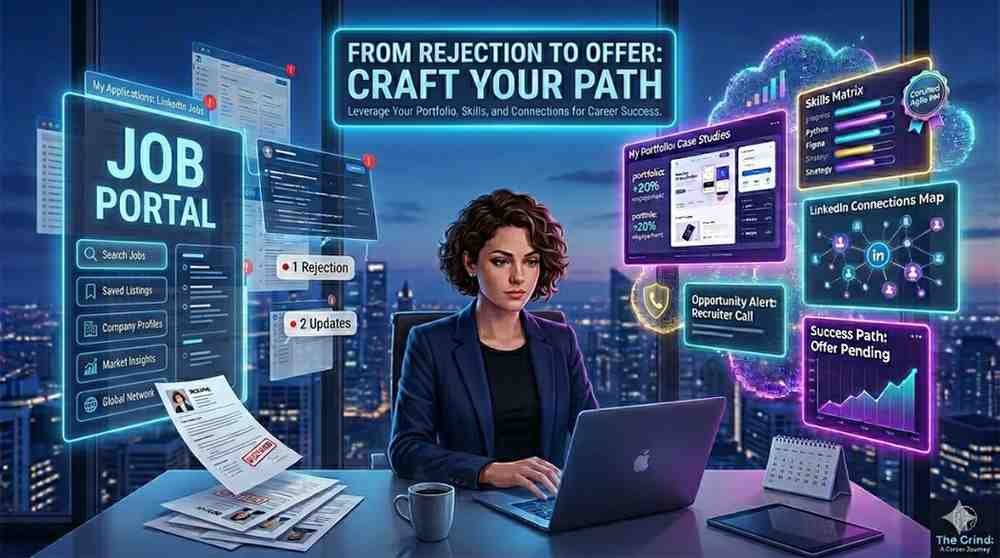
Are job portals enough to get hired today?
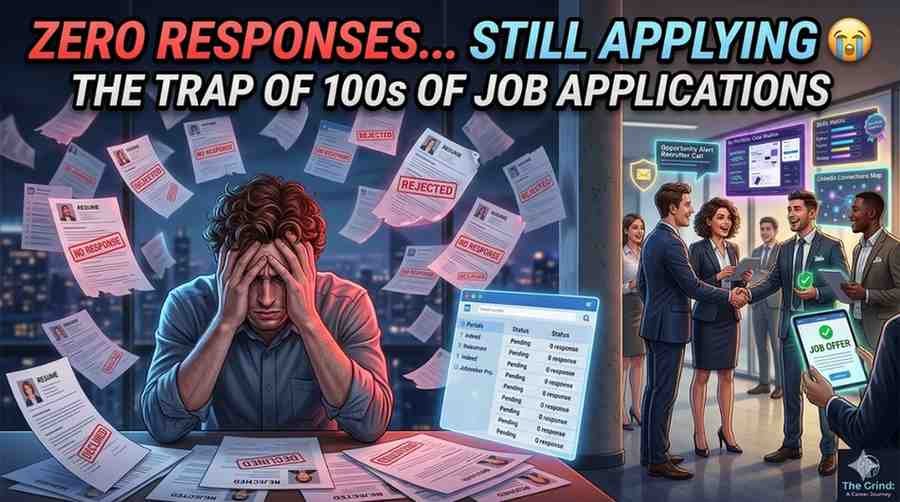
Many people spend hours daily applying through job portals, yet they receive no calls, no interview opportunities, and no responses from recruiters. Some candidates apply to hundreds of jobs still struggle to land even one interview.
So what is going wrong?
The reality is simple: while job portals are important, they are no longer enough on their own. Today’s hiring process has evolved. Recruiters are looking beyond resumes and online applications. Skills, networking, practical experience, communication, personal branding, and online presence now matter more than ever before.
In this blog, we will uncover the real truth about it , modern hiring trends, recruiter expectations, and what candidates must do to actually get hired in today’s highly competitive market.
The Rise of Job Portals
Over the past decade, job portals have become one of the biggest parts of the recruitment industry. Companies use them to post vacancies, while candidates use them to search and apply for jobs. The popularity of job portals increased because they made the hiring process faster, easier, and more accessible. Today, millions of people rely on job portals because they offer:
- Easy job applications
- Instant access to vacancies
- Resume uploads
- Recruiter connections
- Application tracking
- Remote job opportunities
- Internship listings
For freshers especially, it often become the first step toward starting a career. But while they create opportunities, they also create massive competition.
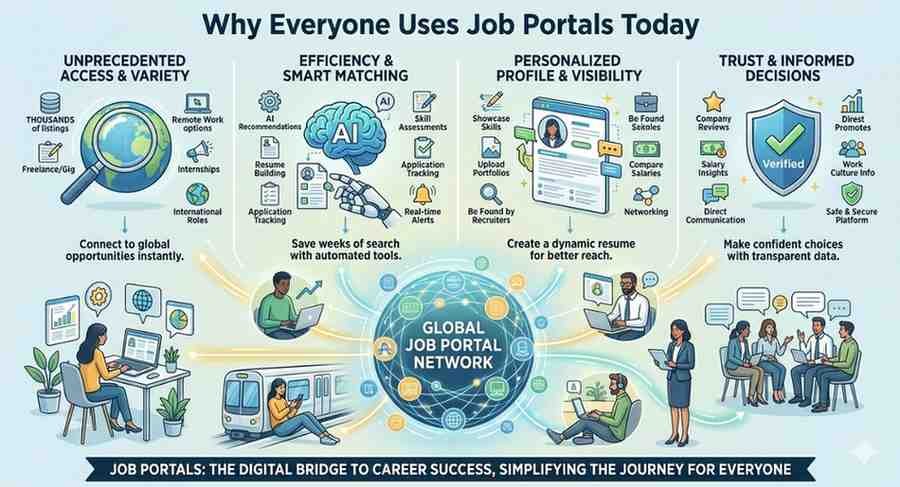
Why Everyone Uses Job Portals Today?
There are several reasons why they became extremely popular among recruiters and job seekers.
1. Convenience
One of the biggest reasons people prefer this is convenience. Candidates can apply for jobs from home without visiting companies physically. This convenience has made it a daily part of career searching.
2. Access to Thousands of Jobs
Unlike traditional recruitment methods, they provide access to thousands of opportunities at once. Candidates can search jobs based on:
- Salary
- Experience
- Industry
- Location
- Skills
- Work type
This makes them highly efficient for job searching.
3. Faster Hiring Process
Companies also benefit from them because they can receive applications quickly. Recruiters no longer need to wait weeks for applications. Through them , they can shortlist candidates within hours.
4. Remote Work Opportunities
The rise of remote work increased the importance of them even more. Today, people can find:
- Work-from-home jobs
- Freelance gigs
- International opportunities
- Part-time jobs
through modern job portals.
The Biggest Problem With Job Portals
Despite all their advantages, they have one major issue:
Too Much Competition
very day, millions of candidates apply through them.
A single job posting on job portals may receive:
- 500 applications
- 1,000 applications
- Sometimes even 10,000+ applications
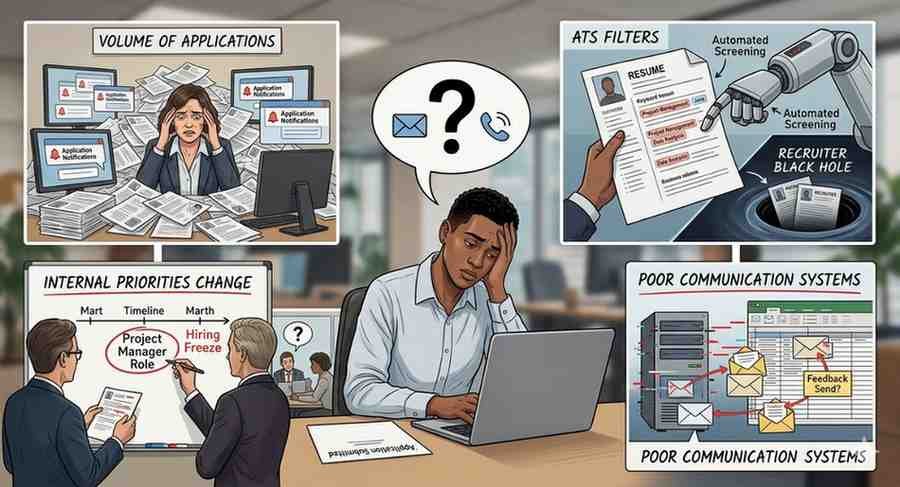
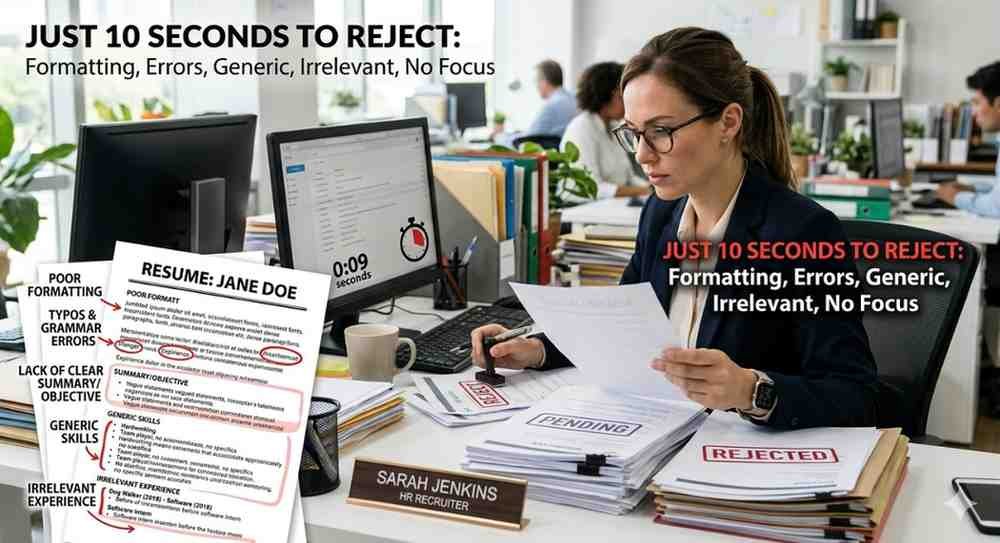
within just a few days. This creates a serious challenge for job seekers. Recruiters cannot review every application manually, which means many resumes submitted through them never get noticed. This is one of the biggest reasons why people feel frustrated using them.
Why Candidates Never Hear Back?
One of the most common complaints about job portals is this:
“I apply everywhere but never receive responses.”
There are several reasons this happens.
1. ATS Filters Reject Resumes
Most companies today use ATS (Applicant Tracking Systems). ATS software scans resumes submitted through job portals before recruiters even see them. The ATS checks:
- Keywords
- Skills
- Resume formatting
- Experience
- Relevance
If your resume is not optimized properly, it may get rejected automatically. This means candidates often fail on job portals before a human even reads their resume.
2. Generic Applications
Many candidates apply randomly on job portals without customizing resumes or reading job descriptions carefully. Recruiters quickly notice low-effort applications. As a result, many applications from job portals are ignored.
3. Lack of Skills
Another reason candidates struggle on job portals is lack of practical skills. Today, companies care more about:
- Skills
- Projects
- Portfolios
- Experience
than just degrees. Without relevant skills, candidates may continue applying through them without success.
4. No Personal Connection
Most applications on job portals are automated. Candidates submit resumes but never build relationships with recruiters. Networking often works better than relying only on them.
Skills Matter More Than Job Portals
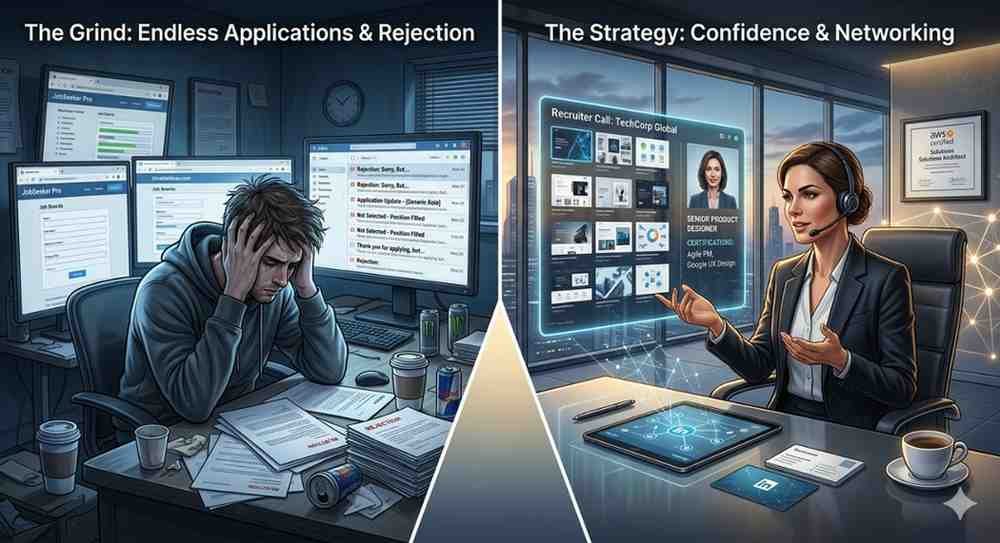
One major truth about modern hiring is this:
Skills are more powerful than job portals.
Today, companies want candidates who can solve real problems.
For example:
- A graphic designer with a portfolio
- A video editor with real projects
- A digital marketer with campaign results
- A data analyst with dashboards
- A programmer with GitHub projects
will often get hired faster than someone who only applies through them
This is because recruiters trust practical ability more than resumes alone.
The Rise of Skill-Based Hiring
A trend toward skill-based recruitment is occurring in the modern job environment. Many companies no longer focus only on:
- Degrees
- College names
- Marks
Instead, they focus on:
- Problem-solving ability
- Creativity
- Communication
- Technical skills
- Adaptability
Why Networking Beats Job Portals
One of the biggest truths in today’s hiring market is this:
Networking often works better than job portals.
Many job opportunities are filled before they are even posted publicly.
Companies frequently hire through:
- Employee referrals
- Internal recommendations
- LinkedIn networking
- Internship conversions
- Professional connections
This is called the hidden job market.
Candidates relying only on them often miss these opportunities completely.
LinkedIn Changed the Hiring Game
Among all of them, LinkedIn has become one of the most powerful platforms because it combines networking and recruitment together.
Unlike traditional job portals, LinkedIn allows candidates to:
- Build professional profiles
- Connect with recruiters
- Share achievements
- Post content
- Showcase projects
- Build personal brands
This makes LinkedIn much more effective then many others.
Today, recruiters actively search LinkedIn profiles before contacting candidates.
The Importance of Personal Branding
Personal branding is becoming extremely important in today’s hiring environment.
Recruiters now evaluate:
- LinkedIn profiles
- Social media presence
- Online portfolios
- Communication style
- Content sharing
People who consistently showcase their skills online often attract opportunities naturally.
Why Experience Matters So Much
Many candidates believe they need full-time jobs to gain experience. That is not true. Experience can include:
- Internships
- Freelancing
- Volunteer work
- College projects
- Personal projects
- Certifications
Even freshers can build valuable experience before applying through them. This dramatically improves hiring chances.
The Hidden Job Market
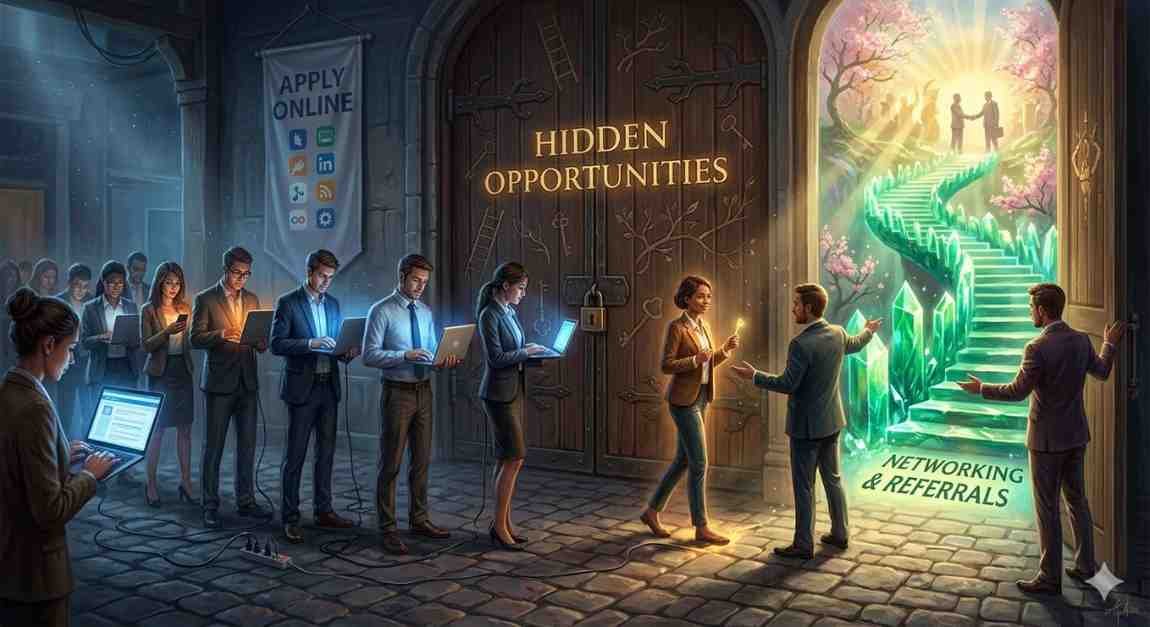
A huge percentage of jobs are never posted on job portals.
Many companies prefer hiring through:
- Referrals
- Networking
- Internal hiring
- Campus recruitment
- Recommendations
This hidden job market is one reason why relying only on job portals can limit career growth.
Candidates who actively network often discover opportunities earlier than others.
The Emotional Side of Job Portals
Constant rejection on them can affect confidence badly.
Many candidates:
- Lose motivation
- Feel stressed
- Compare themselves with others
- Start doubting their abilities
But rejection from them does not always mean lack of talent.
Sometimes:
- The competition is too high
- ATS rejected the resume
- Recruiters found referrals first
- The role was already internally filled
This is why candidates should never depend entirely on them emotionally.
Smart Strategies Beyond Job Portals
If job portals alone are not enough, what should candidates do?
Here are the smartest strategies for modern hiring success.
1. Build In-Demand Skills
Candidates must focus on high-income and high-demand skills. Popular skills today include:
- Data analytics
- Coding
- AI tools
- Graphic design
- Video editing
- Digital marketing
- UI/UX design
- Financial analysis
Skills increase visibility beyond them.
2. Create a Strong Resume
A strong ATS-friendly resume improves success on them. Candidates should:
- Use proper keywords
- Mention achievements
- Keep formatting clean
- Customize resumes for jobs
Optimized resumes perform much better on them.
3. Build a Portfolio
Portfolios help recruiters trust candidates faster. Candidates can showcase:
- Projects
- Case studies
- Designs
- Dashboards
- Videos
- Websites
A strong portfolio adds value beyond them.
4. Improve Communication Skills
Communication matters heavily in interviews. Candidates should practice:
- Speaking confidently
- Professional communication
- Interview preparation
- Email writing
Strong communication increases hiring success significantly.
5. Use LinkedIn Properly
LinkedIn is no longer just another platform among them. Candidates should:
- Post regularly
- Connect with professionals
- Engage with recruiters
- Share projects
- Build authority
LinkedIn visibility can attract opportunities naturally.
6. Apply Strategically
Instead of mass applying on them, candidates should apply smartly. Quality applications work better than quantity. Candidates should:
- Read job descriptions carefully
- Customize resumes
- Write proper cover letters
- Apply to relevant roles
7. Gain Real Experience
Experience creates credibility. Candidates can gain experience through:
- Freelancing
- Internships
- Volunteer work
- Side projects
Why Freshers Struggle on Job Portals
Freshers often face the biggest challenges on them because:
- They lack experience
- Competition is high
- Recruiters prefer experienced candidates
However, freshers can still stand out by:
- Learning skills
- Building projects
- Creating portfolios
- Networking actively
This improves hiring chances significantly.
The Future of Job Portals
Will they disappear in the future?
Probably not.
But they will continue evolving.
Future hiring may include:
- AI-based recruitment
- Skill assessments
- Portfolio-based hiring
- Video interviews
- Online evaluations
This means candidates must adapt continuously instead of depending only on them.
Common Mistakes Candidates Make on Job Portals
Applying Randomly
Mass applying reduces quality and effectiveness.
Using One Resume Everywhere
Customized resumes perform much better on them.
Not Learning New Skills
The market changes rapidly. Candidates must keep upgrading themselves.
Depending Completely on Job Portals
This is one of the biggest career mistakes today.
So, Are Job Portals Enough to Get Hired Today?
The honest answer is:
No, job portals alone are not enough anymore.
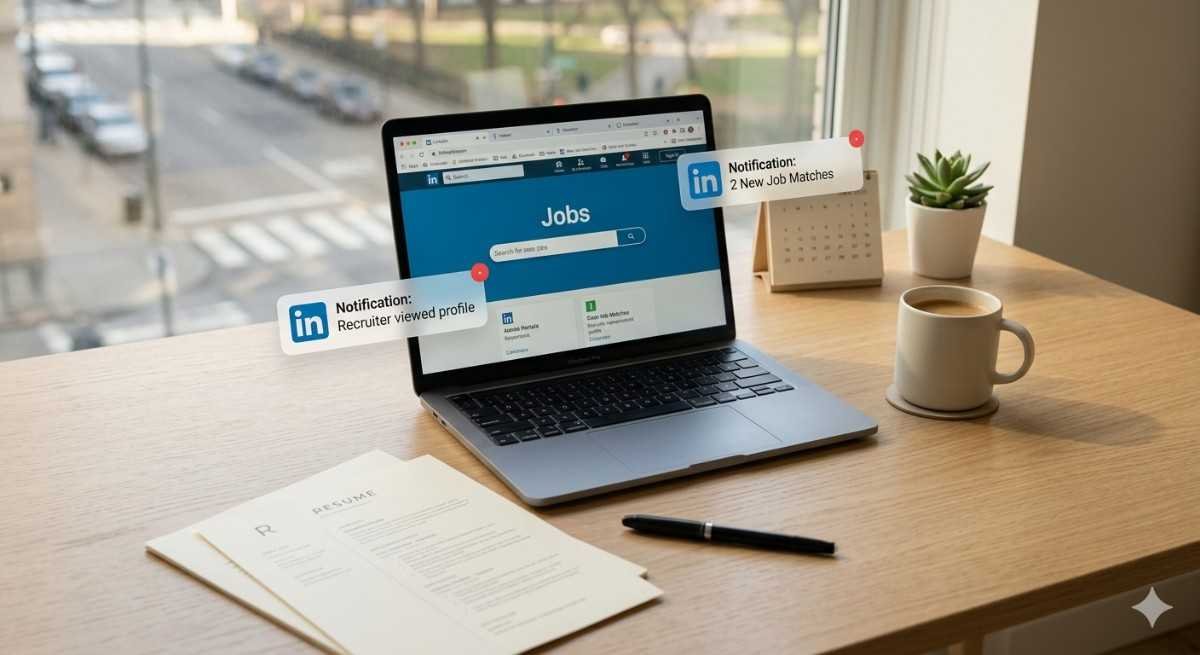
Yes, they are useful. They help candidates discover opportunities, apply quickly, and connect with companies. But modern hiring requires much more than simply clicking the “Apply” button. Today’s successful candidates combine:
- Skills
- Networking
- Experience
- Portfolios
- Communication
- Personal branding
- Smart applications
along with using them strategically.
Final Thoughts
The world of hiring has changed dramatically. While job portals remain important, they are no longer the complete solution for getting hired. Candidates who rely only on job portals often struggle because competition is extremely high. Recruiters now look for practical skills, real-world experience, communication abilities, and professional online presence.
To truly succeed in today’s market, candidates must go beyond job portals and focus on becoming valuable professionals.
The best career strategy today is simple:
- Use job portals
- Learn valuable skills
- Build projects
- Network consistently
- Create a strong personal brand
- Stay adaptable
Because in today’s competitive world, getting hired is not only about applying through job portals. It is about proving your value beyond them.