
The BPO industry works in a fast-paced environment where employee productivity directly impacts client satisfaction, service quality, and overall growth. With the adoption of the work from home (WFH) culture, HR teams in BPOs face both opportunities and challenges. While remote work provides flexibility, it also requires stronger HR strategies to maintain discipline, motivation, and performance.
Below are some effective ways BPO HR can manage employee productivity in a work-from-home setup:
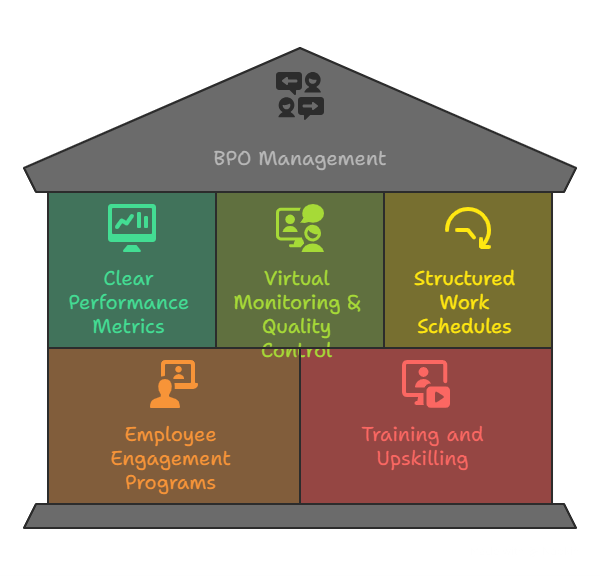
1. Clear Performance Metrics
Employees need well-defined KPIs (Key Performance Indicators) such as call handling time, customer satisfaction scores (CSAT), and First Call Resolution (FCR). Clear metrics ensure employees know their goals and HR can track performance without ambiguity.
2. Virtual Monitoring & Quality Control
Monitoring employee productivity is essential in BPO operations. Tools for call monitoring, performance dashboards, and tracking systems help HR maintain quality. However, the focus should remain on improvement and coaching, not just micromanagement.
3. Structured Work Schedules
Shifts in BPOs often align with international clients. In WFH culture, HR should ensure that employees follow proper log-in and log-out timings, maintain punctuality, and respect client SLAs. Structured routines build discipline and efficiency.
4. Employee Engagement Programs
Remote work can make employees feel isolated. HR can organize virtual games, online contests, recognition programs, and monthly e-awards to keep employees motivated. Small gestures of appreciation build stronger commitment.
5. Training and Upskilling
Skill-building is critical for BPO employees. HR should arrange online refresher training on communication, customer service, and product knowledge. Upskilling modules also help employees grow within the company and reduce attrition.
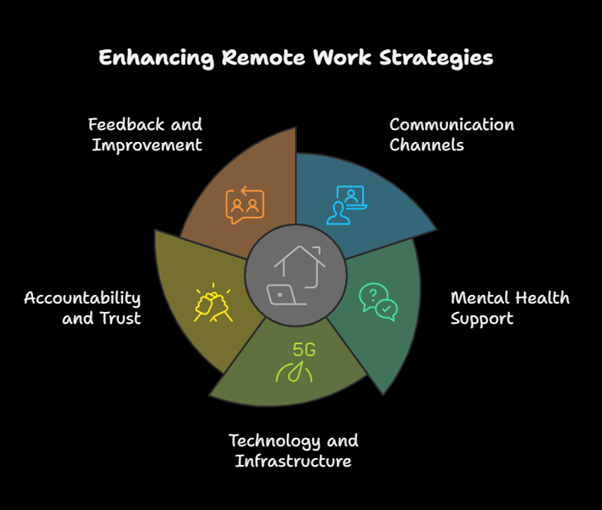
6. Strong Communication Channels
Daily virtual huddles via Zoom or MS Teams, along with instant communication platforms like Slack or WhatsApp groups, help keep teams aligned. Regular updates ensure no employee feels disconnected from the organization.
7. Mental Health and Work-Life Balance
Remote working often blurs the line between personal and professional life. HR must introduce wellness programs, counseling sessions, and stress management workshops to support employees. Flexible break policies also help in reducing burnout.
8. Technology and Infrastructure Support
Productivity in BPOs depends heavily on systems and tools. HR should ensure employees have high-speed internet, updated laptops, and access to IT helpdesks. Providing allowances for data packs or home office setup adds to employee satisfaction.
9. Accountability with Trust
Employees should feel trusted while working remotely. HR can set realistic daily or weekly targets and empower employees to meet them independently. This balance of accountability and freedom enhances productivity.
10. Feedback and Continuous Improvement
Regular employee feedback helps HR understand challenges faced during WFH. By reviewing suggestions and updating policies, HR can create a more employee-friendly and performance-oriented work culture.
Employment Mantras
At Employment Mantras, we believe that successful WFH management in the BPO sector is about finding the right balance. Strict monitoring ensures quality, but equal focus on employee engagement, wellness, and career growth ensures long-term success. By guiding HR teams with tailored strategies, Employment Mantras helps organizations maintain high efficiency while also creating a positive work environment.

Conclusion – BPO HR View
Managing employee productivity in a work-from-home culture is not just about monitoring numbers but about creating a balanced system of discipline, communication, and care. For BPO HR, the real success lies in combining technology, structured policies, and employee well-being. When employees feel supported and motivated, productivity automatically reaches its highest potential.